The standard average pickup truck bed length typically ranges from 5 feet to 8 feet. Performing a pickup truck bed dimensions comparison assists in selecting the appropriate cargo space for your specific hauling requirements. Whether you are using your truck for professional construction work, weekend landscaping, or recreational towing, understanding the physical constraints and capacities of your truck bed is essential for safety and efficiency.
MeasurementsSeptember 3, 2026
Pickup Truck Bed Dimensions: A Complete Comparison of Sizes
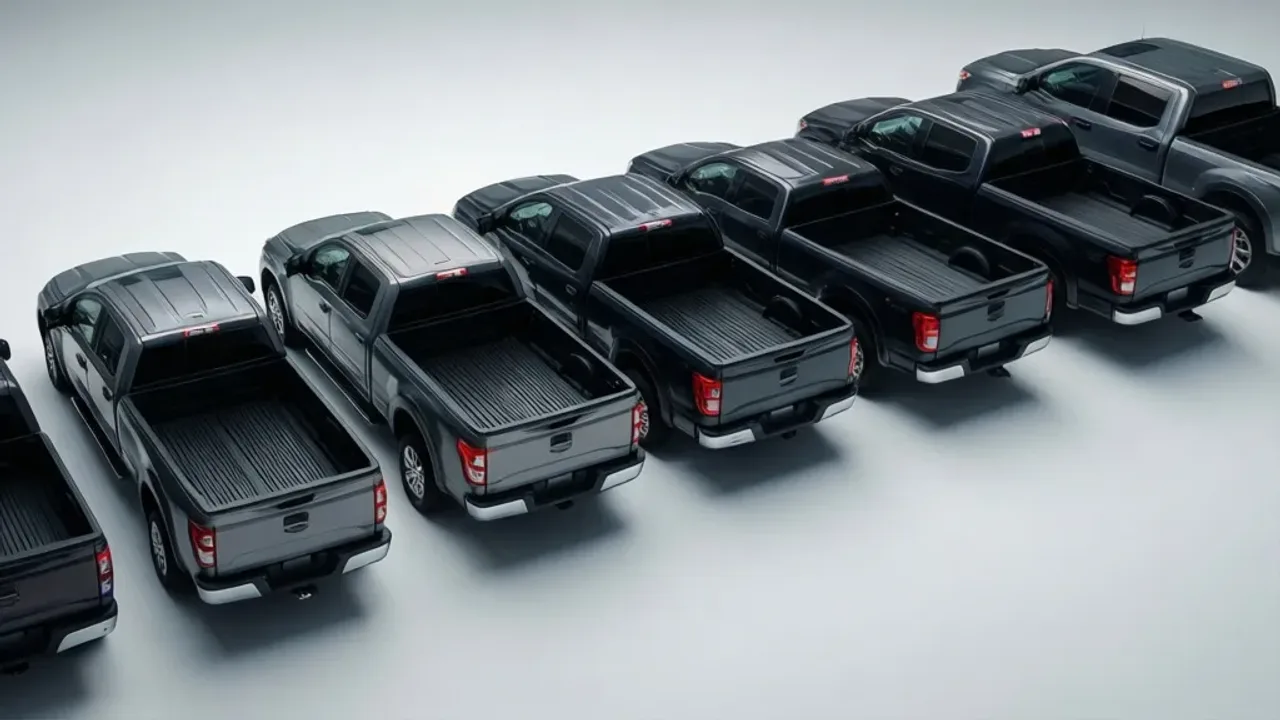 AI-generated image
Key Takeaways:
- Standard bed lengths generally fall between 5 feet and 8 feet.
- The 6.5-foot bed is a common middle-ground option for many full-size trucks.
- Measurement is taken from the inside of the tailgate to the back of the cab.
- Selecting the right size depends on balancing cargo needs with vehicle maneuverability.
| Bed Category | Typical Length | Primary Use Case |
|---|---|---|
| Short Bed | 5 feet | Personal use and urban navigation |
| Mid-Size Short Bed | 5 to 6 feet | Versatile daily commuting and light hauling |
| Standard Bed | 6.5 feet | General purpose and balanced utility |
| Long Bed | 8 feet | Professional trade and heavy-duty transport |
Standard Dimensions and Measurements
Truck bed dimensions are standardized to help consumers evaluate capacity across different makes and models. These measurements focus on the usable length available for hauling equipment or materials. Engaging in a formal pickup truck bed dimensions comparison ensures that the selected vehicle aligns with the physical dimensions of the goods being transported. It helps avoid errors during loading and unloading.
Manufacturers define these lengths based on the distance between the bulkhead (the front of the bed near the cab) and the inside face of the tailgate. However, width is also a critical factor. The measurement between the wheel wells is often the limiting factor for loading wide items like sheets of plywood or drywall. When comparing trucks, you must look at both length and width to determine total volume.
- Ensure the bed length accommodates the longest items you intend to transport.
- Verify the width between wheel wells if you plan to carry wide materials.
- Consider the impact of bed length on the truck's overall wheelbase and turning capability.
- Check the depth of the bed to ensure vertical clearance for taller cargo.
Selecting the Ideal Bed Length
Determining the correct bed size is a practical decision based on the intended use of the vehicle. A thorough pickup truck bed dimensions comparison allows the driver to weigh the benefits of a shorter, more maneuverable truck against the utility of a longer bed meant for heavy-duty work. A short bed is often preferred for personal use and better maneuverability in tight spaces, while a long bed is essential for professional hauling and transporting oversized materials.
If your primary goal is to use the truck as a daily driver, a shorter bed often makes parking in standard spots much easier. The reduced overall length of the vehicle improves the turning radius, which is a significant advantage in crowded urban environments. Conversely, if you are a contractor or own a ranch, the 8-foot long bed provides the necessary surface area to carry large tools, lumber, or industrial supplies without risking damage to the equipment or the tailgate.
- Assess the frequency of hauling oversized items versus daily driving needs.
- Measure the specific gear you plan to carry to confirm it fits within the 5-foot or 8-foot parameters.
- Evaluate how the truck's length affects parking and maneuvering in confined spaces.
- Research the availability of bed extenders for when you occasionally need extra length.
The Impact of Bed Configuration on Performance
While the focus is often on cargo capacity, the length of the bed directly impacts the physical footprint of the vehicle. A longer bed requires a longer chassis, which increases the wheelbase. A longer wheelbase generally provides a smoother ride on highways due to better stability, but it creates challenges when navigating narrow streets or tight corners. This is a trade-off that every buyer must consider.
Additionally, weight distribution is affected by bed length. Loading heavy items toward the rear of an 8-foot bed can significantly alter the handling characteristics of the truck compared to a 5-foot bed. Drivers often find that they need to adjust their driving style depending on how their cargo is positioned. Understanding these dynamics is just as important as knowing the raw numbers of the bed dimensions.
Frequently Asked Questions
What is the most common truck bed length?
The 6.5-foot standard bed is frequently found on many full-size trucks. This length offers a versatile balance between cabin space and cargo capacity, making it a favorite for many owners who need a bit of everything.
How do I accurately measure my truck bed?
Measure from the inside of the tailgate to the back of the truck cab. Using the inside edge ensures you account for the actual space available for cargo, rather than external body measurements.
Does a longer bed change how the truck handles?
Yes, a longer bed increases the wheelbase of the vehicle. This creates a larger turning radius and may require more space for parking and maneuvering in tight areas.
What is the difference between short and long beds?
Short beds, often around 5 feet, are designed for better maneuverability and comfort. Long beds of 8 feet are built for maximum hauling capacity and professional equipment transport.
Can I extend my truck bed for larger loads?
Tailgate extenders or other accessories can provide extra support for loads that exceed the physical length of the bed. Always check the weight limits and safety regulations when extending your cargo area, as improper loading can be dangerous.
Are bed dimensions consistent across brands?
While categories like "short" and "long" exist, exact dimensions can vary by a few inches between manufacturers. Always verify the specific specifications for the model year you are considering.
Final Considerations for Buyers
When you are in the process of choosing a truck, do not rely on labels alone. A "short bed" from one brand might differ slightly from a "short bed" on another. Always bring your measuring tape to the dealership if you have specific gear that must fit. This proactive approach saves time and prevents future frustration.
Remember that the bed is only one part of the vehicle. Your interior cabin size, towing capacity, and engine performance should also be evaluated alongside your cargo requirements. A truck that has the perfect bed size but lacks the necessary towing power for your trailer will not serve you well in the long run. Balance is the key to success.
Choosing the correct truck bed depends on matching the vehicle's cargo capacity to your specific hauling needs. Prioritize measuring your equipment accurately to ensure a perfect fit for your chosen bed size.
Share: