The primary difference when evaluating eccentric vs eclectic is that eccentric describes behavior or personality that deviates from the conventional, whereas eclectic describes a method of selecting elements from diverse and varied sources. While these two terms are often used to describe things that fall outside of the mainstream, they function in entirely different ways. Understanding these nuances is essential for precise communication, whether you are describing a person’s character or the aesthetic of a room.
SpellingAugust 23, 2026
Eccentric vs Eclectic: Definitions and Key Differences Explained
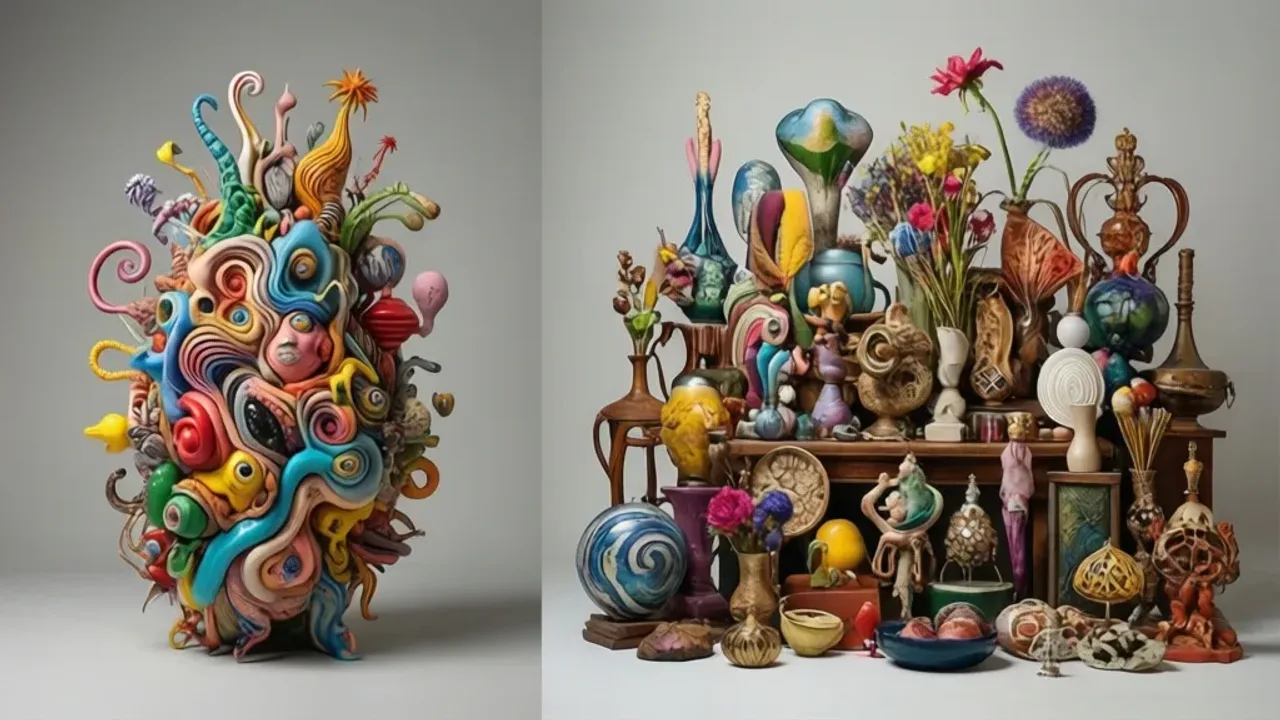 AI-generated image
Key Takeaways:
- Eccentric refers to individual conduct that is peculiar or unconventional.
- Eclectic refers to a curated approach that combines multiple, distinct sources.
- Use eccentric for people and eclectic for collections, design, or ideas.
- The terms are distinct because one describes natural behavior and the other describes a process.
| Feature | Eccentric | Eclectic |
|---|---|---|
| Core focus | Individual behavior | Method of selection |
| Relation to norms | Deviates from the norm | Combines various norms |
| Typical subject | People and personal habits | Collections, art, or style |
| Connotation | Implies strangeness | Implies broad variety |
Understanding the Eccentric Personality
The term eccentric is rooted in the idea of being off-center. When applied to human behavior, it describes someone who acts in ways that do not align with standard social expectations. This does not necessarily imply malice or harm. Rather, it suggests a person who follows their own internal logic, often disregarding the common trends of their peers. An eccentric individual might dress in a way that seems outdated or choose hobbies that appear bizarre to the average observer. These actions are typically genuine expressions of personal preference rather than deliberate attempts to shock others. It is a natural state of being for many people.
Society often views eccentric behavior with a sense of curiosity. Because these individuals do not conform to the expected meter of social interaction, they stand out. However, it is important to distinguish this from simple rule-breaking. Eccentricity is often a harmless, lifelong trait. It is a unique way of processing the world. The behavior is inherent to the person.
Defining the Eclectic Approach
In contrast, the term eclectic is entirely about the process of selection. It is most frequently used in the context of interior design, art history, or philosophy. An eclectic style does not rely on a single, unified theme. Instead, it takes the best or most interesting elements from a variety of different sources and blends them into a cohesive whole. For example, a living room might feature a mid-century modern chair, a traditional rug, and modern art on the walls. This combination is intentional.
The success of an eclectic approach depends on the creator's ability to harmonize disparate parts. It requires a discerning eye. One cannot simply throw random objects together and call it eclectic. The goal is to find a balance between variety and unity. It is a deliberate, intellectual process. Many designers find this approach the most creative way to express a personal color palette or theme. It moves beyond the limitations of a single period or school of thought.
When to Use Which
Choose eccentric when describing a person whose habits or actions are notably peculiar compared to societal standards. Select eclectic when referring to a collection of objects, a design style, or a philosophy that incorporates parts from several different origins. Understand the context. Clarity is vital.
- Assess whether you are describing character or a collection.
- Determine if the subject involves a deviation from common behavior.
- Identify if the subject involves a mixture of influences.
- Select eccentric for behavior and eclectic for curated arrangements.
Why These Words Are Confused
Confusion regarding eccentric vs eclectic often stems from the fact that both describe something not strictly traditional. While an eccentric person might have eclectic tastes, the terms address different aspects of a subject. One focuses on the deviation from normative behavior. The other focuses on the deliberate synthesis of diverse influences. People conflate them easily. Both imply a departure from a single-track path. It is a common linguistic overlap.
Think about the origin of the words. Eccentric comes from the Greek word meaning "out of the center." Eclectic comes from a Greek word meaning "to select." If you remember these roots, the distinction becomes much easier to maintain. One is about location relative to the norm; the other is about the act of choosing from a broad spectrum.
Frequently Asked Questions
Can a person be both eccentric and eclectic?
Yes. A person can possess both traits simultaneously. An individual might exhibit eccentric habits while also maintaining an eclectic personal style or collection of interests.
Is eccentric always a negative description?
The term is not inherently negative. It often implies someone acts in a way that is strange or outside the mainstream, but it is a neutral descriptor for behavior that does not conform to standard expectations.
Does eclectic always imply a high quality of selection?
The term focuses on the variety of sources used. Artistic success depends on individual judgment and the ability to harmonize different elements.
What is the best way to remember the difference?
Think of eccentric as eccentricity regarding unique behavior. Remember eclectic by thinking of an election of various pieces from a wide range of options.
Are these terms interchangeable in casual conversation?
They are not truly interchangeable. Using them correctly prevents confusion between personal character and deliberate creative methods.
Eccentric refers to personal behavior, while eclectic describes a diverse collection of sources. Use these terms to distinguish between unconventional conduct and broad-ranging artistic choices.
Share: