When you are planning a construction project, setting up an athletic field, or simply trying to visualize a specific distance, understanding exact measurements is essential. A common question arises: how long is 15 yards? To put it simply, 15 yards is exactly 45 feet, 540 inches, or 13.716 meters. This measurement is frequently used in American football, landscaping, and various professional trades. Having a clear grasp of these conversions ensures that you can execute your tasks with precision and confidence.
MeasurementsOctober 3, 2026
How Long Is 15 Yards? 45 Feet, 540 Inches, and 13.716 Meters
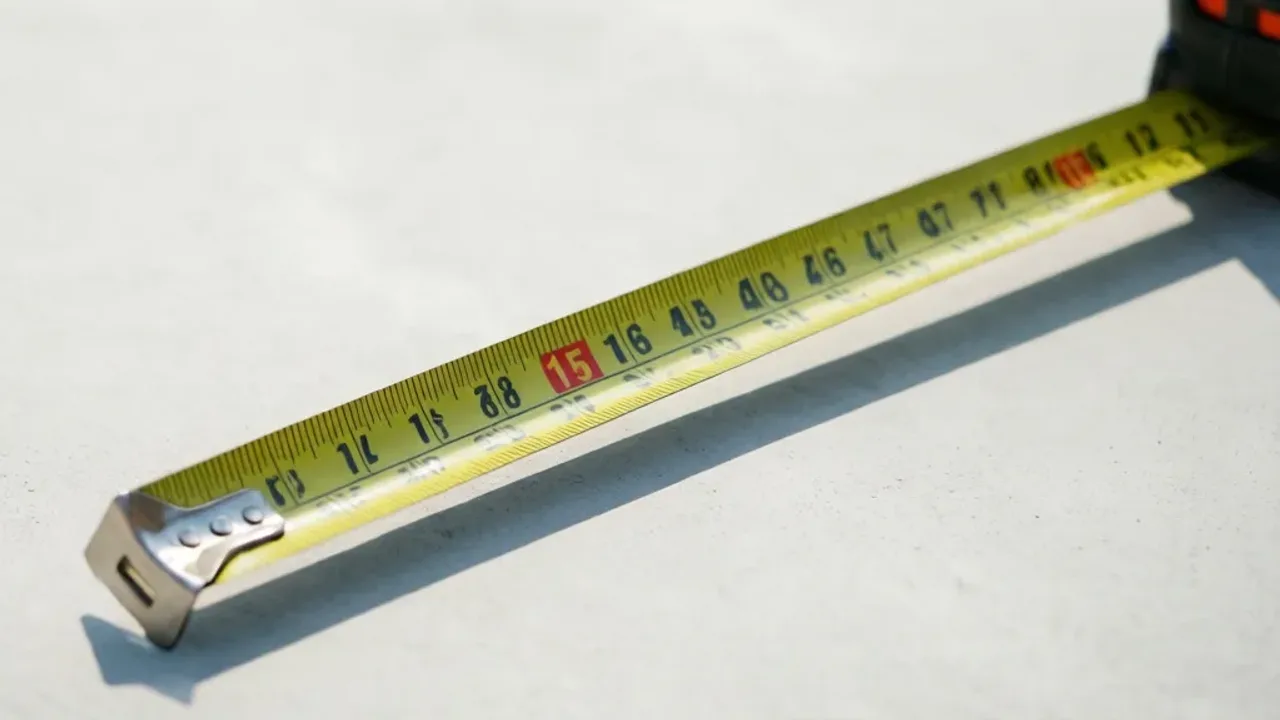 AI-generated image
Key Takeaways:
- 15 yards is equivalent to 45 feet or 540 inches.
- The precise metric conversion is 13.716 meters.
- These measurements are standard in both imperial and metric systems.
- Using consistent conversion factors prevents costly errors in professional projects.
Understanding the Yard as a Unit of Measurement
The yard is a classic unit of length in the United States customary system. It has been a standard for centuries. By definition, a single yard is equal to 3 feet, and each foot contains 12 inches. Consequently, one yard equals 36 inches. When calculating larger distances, such as 15 yards, these multipliers become the foundation for all your math.
For many, the yard is the preferred unit for measuring outdoor spaces. Whether you are measuring the length of a driveway or the distance for a sports drill, the yard provides a convenient scale. It is large enough to be manageable but granular enough to allow for accurate planning. If you are often wondering how long is 15 yards, it helps to associate it with common physical objects. For example, 15 yards is roughly the distance of a small residential plot or the width of a standard athletic field segment.
Conversion Table: 15 Yards to Other Units
To assist in your planning, the following table provides a comprehensive breakdown of how 15 yards converts into various standard units of length. This reference is useful for engineers, contractors, and sports coaches alike.
| Unit of Measurement | Value for 15 Yards |
|---|---|
| Feet | 45 ft |
| Inches | 540 in |
| Meters | 13.716 m |
| Centimeters | 1,371.6 cm |
| Millimeters | 13,716 mm |
Metric Conversion and Global Standards
While the imperial system remains dominant in the United States, the metric system is the global standard for science and international trade. Converting 15 yards to meters requires an understanding of the international yard agreement. According to this standard, one inch is defined as exactly 2.54 centimeters. Therefore, 15 yards, which is 540 inches, equates to 1,371.6 centimeters or 13.716 meters.
When working on international projects, maintaining this level of precision is vital. A discrepancy of even a few millimeters can lead to significant alignment issues in construction. Always use the 0.9144 conversion factor when moving from yards to meters to ensure your calculations remain accurate. This simple factor is the key to professional-grade precision.
Practical Applications in Daily Life
You might encounter the need to measure 15 yards in various scenarios. From home improvement to athletic training, this specific length serves many purposes. It is short enough to measure with a standard tape but long enough to represent a substantial physical space.
Construction and Landscaping
In landscaping, 15 yards is often used to order bulk materials. If you are covering a path or a flower bed, you might need to calculate the area and volume based on this length. Knowing how long is 15 yards allows you to estimate the amount of mulch, gravel, or soil needed to fill a specific trench or border. It helps in avoiding both shortages and costly over-ordering.
Sports and Athletics
In American football, 15 yards is a significant distance. It is frequently associated with specific penalties or the distance required to gain a first down in certain game scenarios. Coaches and players often practice drills that span exactly 15 yards to improve speed, agility, and spatial awareness. Understanding this distance on the field is a basic requirement for anyone involved in the sport.
Best Practices for Accurate Measurement
To ensure your measurements are always correct, follow these practical steps:
- Use a high-quality, calibrated measuring tape to avoid stretching errors.
- Always verify your unit settings if you are using a digital laser measure.
- When working with large distances, mark the halfway point to maintain a straight line.
- Keep a conversion chart nearby to minimize mental math errors during work.
Frequently Asked Questions
How many feet are in 15 yards?
There are exactly 45 feet in 15 yards. Since one yard contains 3 feet, you perform a simple multiplication of 15 by 3 to reach this result.
How many inches make up 15 yards?
15 yards equals 540 inches. You calculate this by multiplying 15 yards by 36, which is the total number of inches in a single yard.
Is 15 yards a long distance?
15 yards is a moderate distance, equivalent to 45 feet. It is commonly used for short-range planning, such as interior design layouts or small-scale landscaping.
Why is the conversion to meters 13.716?
This specific number is derived from the international agreement where one inch is exactly 2.54 centimeters. When you multiply 540 inches by 2.54, you get 1,371.6 centimeters, which converts to 13.716 meters.
Can I use this measurement for interior design?
Yes, 15 yards is often used when purchasing fabric or carpet runners. Always double-check your total area requirements before finalizing a purchase based on length alone.
Conclusion
Understanding the exact dimensions of 15 yards is a fundamental skill for anyone involved in construction, sports, or home improvement. By remembering that 15 yards equals 45 feet or 13.716 meters, you can perform your tasks with greater accuracy and efficiency. Keep these conversion factors handy, and you will navigate any measurement challenge with ease.
Share: