Exploring the diverse world of nature requires identifying various groups, including insects that start with l, such as the ladybug, lacewing, leafhopper, louse, and locust. These species play distinct roles in their respective ecosystems, ranging from beneficial garden predators to specialized parasites. Science remains fascinating.
Word ListsNovember 20, 2026
Insects That Start With L: A Complete List and Guide
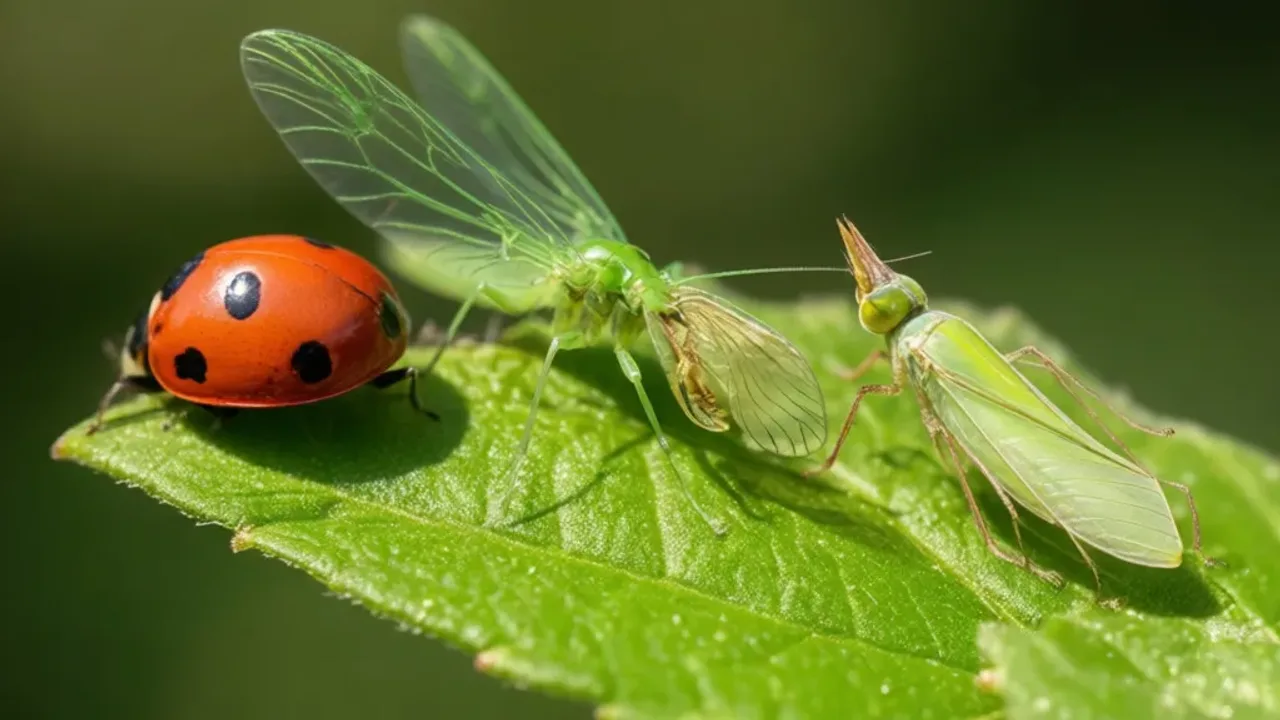 AI-generated image
Key Takeaways:
- Insects that start with l include the ladybug, lacewing, leafhopper, louse, and locust.
- Many species in this group are essential for maintaining balance in natural areas.
- Effective insect classification relies on observing physical traits and behavioral patterns.
- Proper identification helps distinguish between beneficial insects and those that impact vegetation.
Short and Descriptive Fact Sheets
The study of entomology offers a window into the complex lives of small organisms. When we focus on insects that start with l, we uncover a variety of biological adaptations. Each species has evolved specific traits to survive in its particular niche, whether that is a garden, a forest, or a host animal.
- The ladybug is a small, round insect recognized by its red color and black spots. It is a favorite among gardeners for its role in pest control.
- Lacewings are delicate insects known for their large, transparent, net-like wings. They are often active during the twilight hours.
- Leafhoppers are agile insects that feed on plant sap and jump long distances. They are known for their ability to blend in with foliage.
- The louse is a tiny, wingless insect that lives as an external parasite on hosts. Its body is flattened to move easily through hair or feathers.
- Locusts are short-horned grasshoppers known for forming massive, swarming groups. They can consume vast amounts of vegetation in a short period.
- Ladybugs serve as beneficial predators in gardens by consuming aphids, which protects the health of ornamental and food plants.
- Lacewing larvae are often called aphid lions due to their voracious appetite for garden pests. They provide natural biological control.
- Leafhoppers possess specialized mouthparts for piercing plant stems to extract nutrients. This can sometimes lead to plant stress if populations are high.
Comparative Overview of Traits
To better understand these creatures, it is helpful to compare their physical attributes and ecological roles. The following table highlights the primary characteristics of the most commonly encountered species.
| Insect | Primary Characteristic | Ecological Role |
|---|---|---|
| Ladybug | Red color with spots | Beneficial predator |
| Lacewing | Net-like wings | Pest control |
| Leafhopper | Jumping ability | Plant sap feeder |
| Locust | Swarming behavior | Vegetation consumer |
Educational Snippets for Classrooms
Teachers and students often use these insects as subjects for scientific inquiry. Understanding their life cycles and behaviors provides deep insights into the natural world. Observation is key.
- Observe the ladybug to identify its 6 legs and distinct body shape [1].
- Examine the transparent wings of a lacewing to understand its flight mechanics [2].
- Use a magnifying glass to view the specialized mouthparts of a leafhopper [3].
- Document the life stages of these insects to learn about their development [4].
- Maintain a clean environment to study non-parasitic species in a controlled way [5].
- Compare the physical size of a louse with other common garden insects to understand scale [6].
Quick Reference for Enthusiasts
For those interested in building a collection or a journal, having a quick reference list can be incredibly useful. These notes summarize the key traits of each insect.
- Ladybug: Beneficial predator, garden favorite, distinctive spotting.
- Lacewing: Delicate appearance, aphid control, nocturnal habits.
- Leafhopper: Jumping ability, plant sap feeder, expert camouflage.
- Louse: Parasitic nature, highly specialized, wingless body.
- Locust: Swarming behavior, agricultural impact, migratory tendencies.
Biological Adaptations and Survival
When studying insects that start with l, one must consider the specific biological family to which each belongs. This dictates their survival strategy. Researchers at the Natural History Museum of Los Angeles County (NHMLAC) emphasize that precise observation is the foundation of accurate insect classification. It is vital for understanding environmental health.
Take the ladybug, for example. Its bright red color serves as a warning to potential predators that it may taste unpleasant. This is a classic example of aposematism. In contrast, the leafhopper uses cryptic coloration to vanish against the background of a green leaf. Each strategy is highly effective in its own context.
How to Select the Right Description
Choose an insect classification based on the scientific name of the species. Use short, descriptive summaries for general identification tasks. For professional study, refer to formal scientific descriptions that detail the order and family. This process is often supported by resources at the University of California, Los Angeles (UCLA) or the NHMLAC.
Frequently Asked Questions
What are some common insects that start with l?
Common insects that start with l include the ladybug, lacewing, leafhopper, louse, and locust. Each represents a unique order within the insect kingdom.
Are all insects that start with l considered garden pests?
No, many are beneficial. Ladybugs and lacewings are highly valued because they help control populations of harmful garden pests, acting as natural guardians of the soil.
How do locusts differ from other grasshoppers?
Locusts are a phase of certain short-horned grasshoppers. They are distinguished by their ability to form large, migratory swarms under specific environmental conditions.
Where can I find insects that start with l?
These insects inhabit diverse environments, ranging from home gardens to agricultural fields. Their natural habitat varies significantly depending on the species.
Why is insect classification important for these species?
Accurate classification allows researchers to understand the ecological role and life cycle of each insect. This knowledge is essential for managing garden health and biodiversity.
The Ecological Impact of Insect Populations
The presence of various insect species is a strong indicator of ecosystem health. In areas with high biodiversity, one can often find a balance between predators and prey. For instance, the presence of lacewings suggests that there is a sufficient population of aphids to support them, which in turn keeps the aphid population from destroying plants. It is a delicate balance.
However, when this balance is disrupted, certain populations may surge. Locust swarms are the most famous example of this phenomenon. When conditions are right, their numbers can explode, leading to significant agricultural challenges. Because of this, monitoring populations is a core part of modern entomological study. Science helps us manage these interactions effectively.
Final Thoughts on Entomological Study
By identifying the unique characteristics of insects that start with l, individuals can better appreciate the diverse roles these species play. Always prioritize accurate scientific classification to ensure proper understanding of their natural habitat and behaviors. Whether you are a student, a gardener, or a researcher, there is always more to learn about the tiny world around us.
The study of these insects is not just about naming them. It is about understanding the web of life. Every small insect contributes to the stability of the environment. Keep observing and keep learning.
Share: