Choosing appropriate hawk names involves considering the bird’s distinct personality, color, or hunting style. The right choice reflects the strength and agility of these birds. Whether you are a professional raptor handler or an enthusiast, selecting an identifier is a significant step in your bond with the bird. It matters.
NamesOctober 26, 2026
Best Hawk Names: 50+ Powerful and Unique Ideas for Your Bird
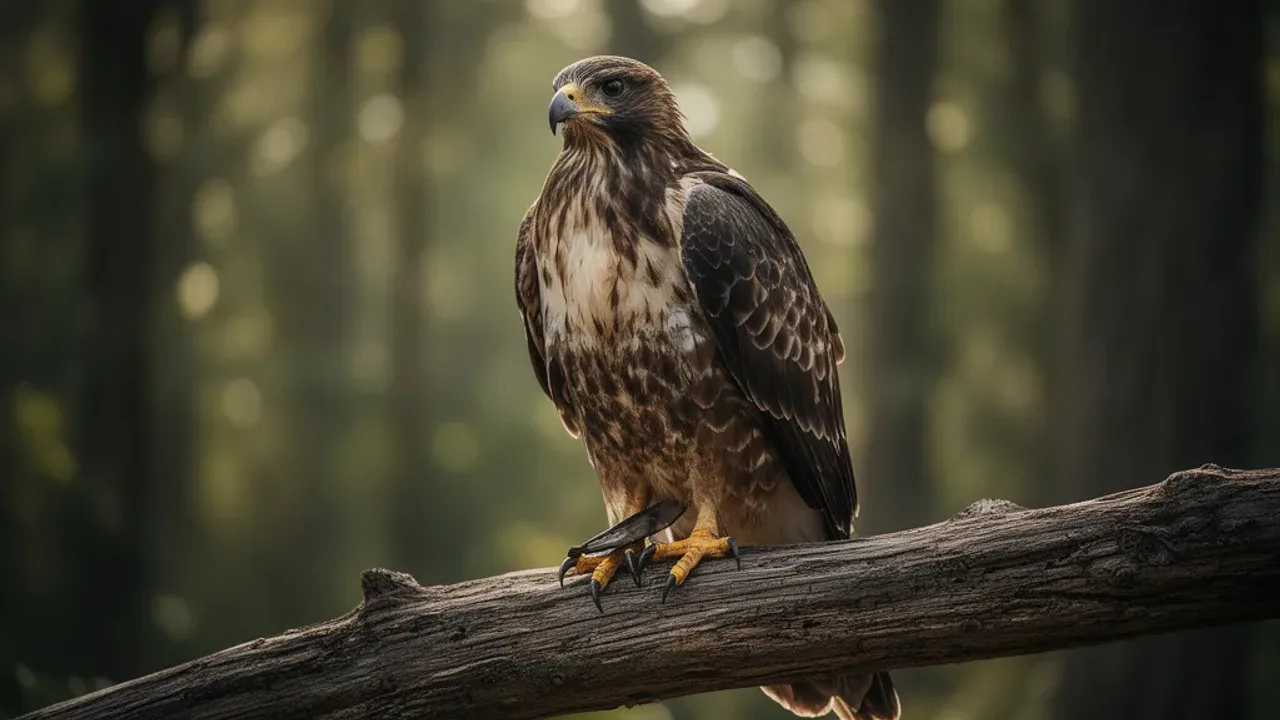 AI-generated image
Key Takeaways:
- Effective choices often highlight power and speed.
- Physical traits guide the selection process naturally.
- Consistent use builds positive associations for the animal.
- Clear sounds improve bird recognition during training.
The Importance of Proper Identification
In the world of falconry and avian care, the identifier you assign to your bird serves more than just a social purpose. It acts as a primary communication tool. When you select from various hawk names, you are establishing a verbal marker that the bird will learn to associate with your presence, feeding, or training commands. A sharp, clear sound is essential for ensuring that the bird can distinguish your call from environmental noise, such as wind or other wildlife.
The process of naming should be methodical. Observe the bird for several days before settling on a title. Does the bird exhibit a calm demeanor or a fiery, energetic spirit? Are there distinct markings on the feathers or a specific color cast to its eyes? These elements provide the best foundation for a lasting moniker. Avoid overly long or complex words, as these can become muffled or confusing in outdoor settings.
Short and Punchy Options
Short identifiers are highly favored by experienced handlers because they are easy to vocalize and quick for the bird to distinguish. These names often rely on hard consonants, which carry well over distance.
- Bolt
- Dash
- Jolt
- Ace
- Zip
- Flash
- Rex
- Jet
- Spark
- Fury
Nature-Inspired and Powerful Choices
Drawing inspiration from the environment is a classic tradition. Many birds of prey are named after the landscapes they dominate. These selections evoke a sense of the wild and the natural history of the species, aligning the bird's identity with its physical prowess.
- Canyon
- Summit
- Storm
- Ridge
- Thunder
- Blaze
- River
- Cloud
- Crag
- Timber
- Peak
- Mist
Mythological and Legendary Titles
For those who wish to pay homage to history and lore, mythological figures offer a grand selection. These monikers carry a weight of dignity and ancient power, fitting for a bird that occupies the top of the food chain.
- Apollo
- Zeus
- Odin
- Horus
- Atlas
- Titan
- Phoenix
- Valkyrie
- Hermes
- Ares
- Thor
- Orion
Playful and Humorous Options
Sometimes, a lighter approach creates a more enjoyable interaction. While these names might be less traditional, they certainly reflect the personality of the keeper and the bird. Lighthearted titles can make the training process feel more accessible and less rigid.
- Sir Soars-a-Lot
- Feather Lock
- Wingman
- Captain Claws
- Professor Peck
- Sky Bandit
- Hawk Eye Junior
- Zoomer
- Airborne
- Flapjack
- Sky Walker
Sophisticated and Formal Titles
If you prefer an air of elegance, formal monikers are an excellent choice. These titles sound professional and command respect, often drawing from historical or aristocratic origins. They are perfect for birds that display a composed and regal temperament.
- Sterling
- Augustus
- Reginald
- Maximilian
- Victoria
- Sebastian
- Constantine
- Eleanor
- Benedict
- Aurelius
- Winston
- Arthur
Unique and Rare Selections
For those looking for something truly one-of-a-kind, consider these evocative phrases that capture the spirit of the hunt and the vastness of the sky.
- Obsidian, dark as the night.
- Zenith, reaching the peak.
- Echo in the deep canyon.
- Meridian, the line of light.
- Solstice, turning of the sun.
- Cipher, a mystery in flight.
- Vanguard, leading the way.
Selecting the Right Classification
When evaluating different categories, consider the following table to organize your preferences. It helps to weigh the utility of the name against its aesthetic appeal.
| Category | Best For | Complexity |
|---|---|---|
| Short | Training | Low |
| Mythological | Character | Medium |
| Nature | Traits | Medium |
| Formal | Dignity | High |
Steps to Finalize Your Choice
- Observe the bird to identify unique behavioral traits or physical markings.
- Test the sound by saying it aloud to ensure it has a clear, sharp tone.
- Consult the Los Angeles Raptor Foundation (LARF) for traditional conventions.
- Review the Griffith Park Wildlife Sanctuary (GPWS) suggestions.
- Check the Southern California Bird Conservancy (SCBC) for species-specific advice.
- Verify with the Santa Monica Mountains Conservancy (SMMC).
- Look for additional insights from The Wildlife Society.
Frequently Asked Questions
Why are short identifiers preferred?
Short hawk names are often easier for birds to process. Clarity is essential for successful training, as the bird must react quickly to vocal cues during flight.
Can I change a label later?
Transitioning is possible with positive reinforcement. Consistency is the key to success. You must associate the new sound with the same rewards the bird previously received.
How does color influence selection?
Visual traits offer distinct inspiration. Many keepers use hues such as Rusty, Slate, or Amber to define identity, as these colors often match the bird’s plumage.
Are gender-neutral labels effective?
Yes, they focus on raw ability rather than traditional associations. Strength and speed remain the primary traits that define the bird's performance and personality.
Where is official guidance available?
Consult organizations like LARF, GPWS, SCBC, SMMC, or The Wildlife Society for reliable bird nomenclature standards. These groups provide extensive research on avian behavior.
Selecting an identifier that reflects the bird's unique temperament is a rewarding process. Always prioritize clear, distinct sounds for the best training results. Your dedication to this selection process strengthens the trust between you and your avian companion.
Share: