The primary difference between these terms is that flare denotes a physical phenomenon involving light or expansion, whereas flair refers to an innate aptitude or a distinctive sense of style. Because the debate of flare vs flair often arises due to their identical pronunciation in American English, understanding the specific context of each word is essential for precise communication. It is quite simple once you learn to identify the underlying intent of your sentence.
SpellingAugust 29, 2026
Flare vs Flair: Understanding the Difference in Meaning
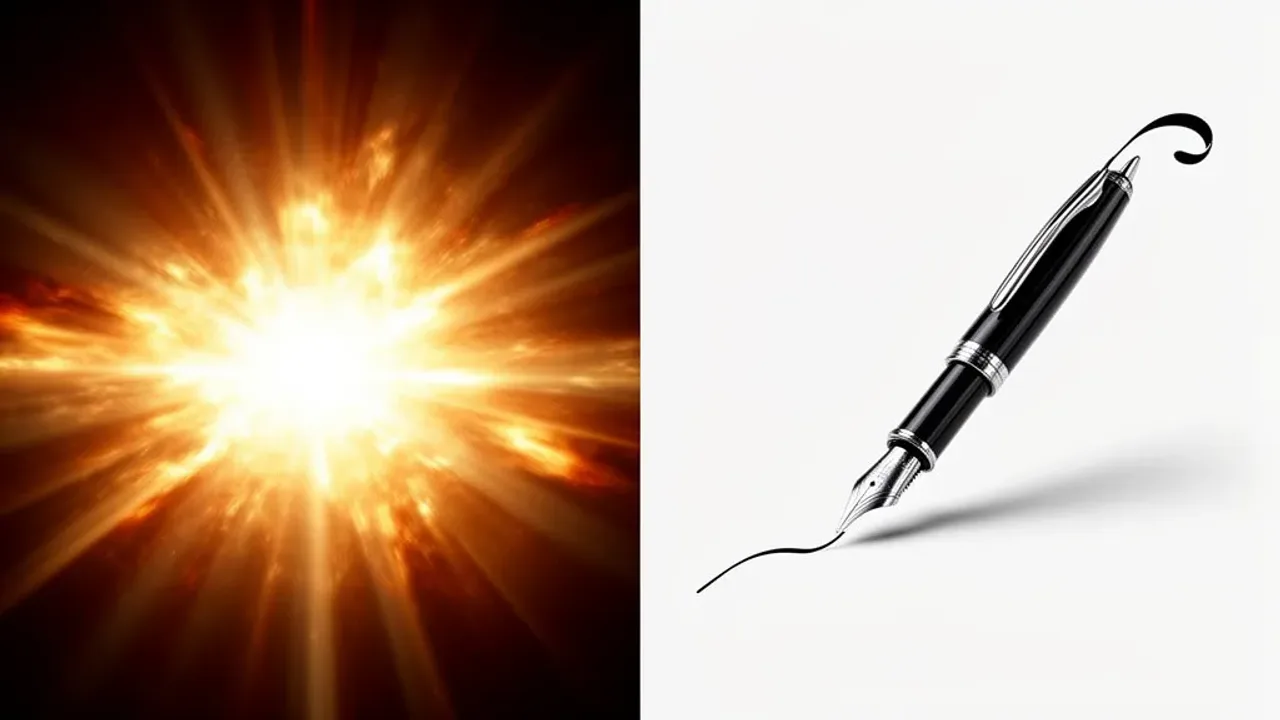 AI-generated image
Key Takeaways:
- Flare is used for physical light bursts or widening shapes.
- Flair describes a natural talent or unique personal style.
- These words are perfect homophones, meaning they sound identical despite different meanings.
- Always check if the context involves a physical action or an abstract skill to choose the correct spelling.
| Feature | Flare | Flair |
|---|---|---|
| Primary Definition | Sudden light or expansion | Natural talent or style |
| Grammatical Role | Noun or verb | Noun |
| Typical Context | Physical events | Personal traits |
| Example | Solar flare | Flair for design |
When to Use Which
Use flare when describing a visual event, such as a bright light, or a physical object that widens. For instance, the bottom of a pair of pants or a dress might be described as having a flare. It functions as a verb when describing actions like signaling with light or when a dangerous situation intensifies, such as a conflict or a chronic health condition. These physical transitions are the hallmark of the word.
Reserve flair exclusively for abstract concepts related to individual capability or aesthetic choices. If you are describing a person's unique ability to perform a task with grace, flair is the correct choice. It implies a sense of elegance, panache, or a natural gift that makes one stand out. If the subject is a person’s talent, never use the physical definition of light or expansion.
Why These Words Are Confused
The confusion regarding flare vs flair stems from the fact that they are perfect homophones in American English. Because they sound identical, writers often rely on auditory memory rather than visual recognition. This leads to frequent misspellings in professional and casual writing. Since their etymological roots are completely unrelated, one must focus on the visual spelling to ensure accuracy. Pay close attention to your intent.
Memory aids can be helpful for those who struggle with this distinction. Think of flare as being related to a "flame," which creates a burst of light. Conversely, associate flair with "flamboyance," which captures the sense of style and talent inherent in the word. Using these mental triggers will help you avoid common pitfalls when drafting your next piece of writing.
- Identify if the subject is a physical action or object; if yes, use flare.
- Determine if the subject is an abstract talent or style; if yes, use flair.
- Proofread your writing specifically for these two words, as spellcheckers may not always detect the error if the chosen word is spelled correctly but used in the wrong context.
- Consider the grammatical role; remember that flare can be a verb, while flair is strictly a noun.
Frequently Asked Questions
Can I use "flare" to describe a person's talent?
No, you should not use flare for talent. Flair is the correct term for an innate aptitude or a stylish way of doing things.
Is "flair" ever used as a verb?
No, flair is strictly a noun in standard English. If you need a word to describe an action or process, you are looking for the verb form of flare.
How can I easily distinguish these in writing?
Associate flare with a flame, which creates a burst of light. Think of flair as being related to flamboyance, which reflects a sense of personal style.
Are there cases where both might seem correct?
While they sound the same, they are never interchangeable in formal writing. Their definitions are distinct, and using the wrong one will change the entire meaning of your sentence.
Does the spelling change in American English?
No, the spelling remains consistent in American English. You should prioritize the standard definitions to avoid confusion in your writing.
Mastering the distinction in flare vs flair requires remembering that one relates to physical light or expansion and the other to abstract talent. Always analyze whether your sentence describes a visible event or a personal characteristic to select the correct term. Choose wisely.
Share: