The velvet catfish, the vermilion rockfish, and the vundu catfish are notable examples of fish that start with v. These diverse aquatic specimens represent unique examples of life found across various aquatic environments. Whether you are a researcher, an aquarium enthusiast, or someone simply curious about marine biodiversity, understanding the specific characteristics of these animals provides a deeper appreciation for the complex ecosystems they inhabit.
Word ListsOctober 10, 2026
Fish That Start With V: Complete List of Species
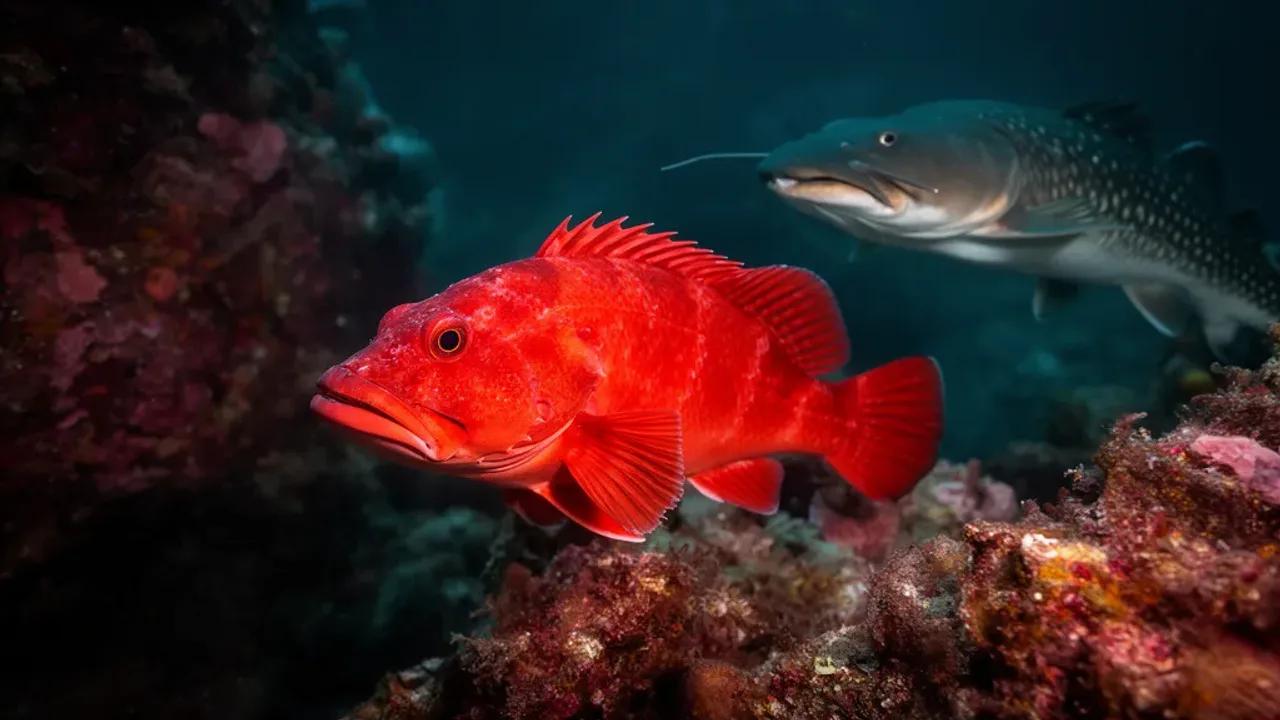 AI-generated image
Key Takeaways:
- The primary examples are the velvet catfish, the vermilion rockfish, and the vundu catfish.
- These species inhabit a wide range of aquatic environments, from deep ocean currents to freshwater river systems.
- Correct identification of fish that start with v assists in the scientific study of biodiversity and conservation.
- Specific environmental requirements determine where one will find each distinct specimen in the wild or in an aquarium facility.
Concise Species Profiles
Diving into the world of aquatic life requires a structured approach to naming and classification. When exploring fish that start with v, one quickly realizes that these species are distributed across vastly different biomes. The following list highlights key attributes of these fascinating creatures, serving as a quick reference for enthusiasts and students of ichthyology alike.
- The velvet catfish is a fascinating specimen known for its distinct, soft-textured skin and unique sensory barbels that help it navigate murky river waters.
- Vermilion rockfish thrive in deep ocean waters, characterized by their vibrant, deep-red or vermilion coloration that provides camouflage in certain light conditions.
- The vundu catfish stands out as a large, predatory freshwater fish found predominantly in expansive African river systems, often reaching impressive weights.
- These aquatic specimens occupy a wide range of ecological niches, from the high-pressure environments of deep reefs to the slow-moving currents of tropical river bottoms.
- Each variety contributes uniquely to the food web and biodiversity of their respective underwater environments, acting as either predator or scavenger.
- Identifying these species helps researchers track marine population health, which is critical for maintaining the balance of local aquatic environments.
- The structural diversity among these species—ranging from the streamlined vermilion rockfish to the robust, heavy-set vundu catfish—highlights the versatility of aquatic life.
- Conservationists monitor these species closely, especially those that are susceptible to changes in water quality or overfishing in their native ranges.
Playful and Humorous Descriptions
Sometimes, the best way to remember scientific names is through a bit of wit. While these creatures are serious biological subjects, they also have characteristics that lend themselves to more lighthearted descriptions. If you are looking for a fish with a name that starts with V, the following list provides a fun way to categorize these aquatic icons.
- If you are looking for a fish with a name that starts with V, the vundu catfish is definitely a big catch for any river explorer!
- The vermilion rockfish is basically the superhero of the sea with its bold, bright red suit and ability to navigate rocky deep-sea crevices.
- Velvet catfish: because even fish deserve to have a touch of luxury and softness in their name, making them the most stylish swimmers in the river.
- Who needs A through U when you can have the V-list of underwater icons, proving that the letter V is actually quite popular in the aquatic world?
- Vundu catfish are the undisputed heavyweights of the river—do not challenge them to a swimming race unless you have plenty of stamina!
- If a vermilion rockfish ever asks for directions, it is probably just looking for the nearest coral reef to show off its stunning coloration.
- These species are the secret agents of the aquatic world, hiding out in the deep blue or muddy river beds until someone finally learns their names.
- The velvet catfish is the ultimate river lounge lizard, always preferring the softest patches of sand and silt to rest its weary fins.
Formal Scientific Summaries
From a biological perspective, the study of these fish involves rigorous taxonomic classification. Understanding the evolutionary adaptations of these species allows scientists to better predict how they might respond to climate-driven changes in their aquatic environment. Below are summaries regarding the biological standing of these notable species.
- The vermilion rockfish (Sebastes miniatus) is a significant species in Pacific coastal ecosystems, often utilized in studies regarding deep-water population dynamics.
- Vundu catfish (Heterobranchus longifilis) are recognized for their substantial size and predatory behavior in freshwater habitats, often acting as an apex predator in their local food chain.
- The taxonomy of these organisms assists in the categorization of diverse marine and freshwater life, providing a framework for ecological study.
- Environmental conservation efforts often focus on protecting habitats for species like the vermilion rockfish, which face pressure from commercial fishing.
- Biological studies of the vundu catfish provide insight into the trophic structures of large river systems, helping to manage regional water resources.
- Classification criteria for these species remain consistent with established ichthyological standards, ensuring that data sharing between research institutions remains accurate.
- Morphological assessments of these fish reveal specialized adaptations, such as the vermilion rockfish's swim bladder, which allows for precise depth control.
- Genetic sequencing has begun to provide more clarity on the ancestral lineages of these species, further refining our understanding of their evolutionary history.
Creative and Poetic Interpretations
Nature often inspires art, and the unique silhouettes and colors of these fish are no exception. Poets and writers have long looked to the ocean for inspiration, finding that the movements of these aquatic inhabitants mirror the ebb and flow of life itself. Here are some creative ways to view these species through a more artistic lens.
- Beneath the waves where silence reigns, the vermilion rockfish glides through deep, dark plains, glowing like a ember in the abyss.
- A velvet touch in river deep, the catfish waits while shadows creep, a silent guardian of the muddy, quiet floor.
- V is for the vibrant hue, of fish that swim the ocean blue, a letter that marks the start of something truly unique.
- In currents strong, the vundu drifts, a silent king amidst the shifts, ruling the river with a grace that belies its massive size.
- Shimmering red in the fading light, the vermilion rockfish claims the night, standing out against the muted tones of the reef.
- Soft as a name, the velvet catfish glides, hidden beneath the shifting tides, leaving only a gentle ripple in its wake.
- The water reflects the sky above, but the vundu catfish knows only the depth of the river, a world of ancient, unspoken secrets.
- Each scale and fin tells a story of survival, a testament to the resilience of life in the many waters of our world.
Frequently Asked Questions
What is the largest species of this group?
The vundu catfish is recognized as one of the largest freshwater species in this category. It can grow up to 5 feet in length in its natural river environment, a fact well-documented by resources such as FishBase.
Are all these species found in the ocean?
No, the classification includes both marine and freshwater species. While the vermilion rockfish is primarily a marine fish, the vundu catfish is found exclusively in freshwater systems, according to diversity research from the IUCN.
How can I identify a vermilion rockfish?
You can identify this specimen by its distinct vibrant reddish coloration. It is commonly found in deep coastal waters and often appears in professional LA aquarium exhibits, as noted by the AOP.
Is the velvet catfish a common pet?
The velvet catfish is a specialized species that requires specific care, including large tanks and precise water conditions. Potential owners should consult an aquarium facility expert regarding the needs of this aquatic specimen, per guidance from the NWF.
Where can I find more information on these fish?
Educational resources at an aquarium facility remain the best source for learning about these animals. These institutions provide detailed displays and data on various specimens, as verified by the Smithsonian.
Observing Aquatic Specimens
For those interested in seeing these animals in person, visiting a facility that focuses on marine biology is the best path forward. Observation requires patience and an understanding of the conditions these animals thrive in. Follow these steps to maximize your experience.
- Contact your local aquarium facility to check for current exhibits featuring these specific species.
- Use a reliable field guide to confirm visual markers, such as fin shape or color patterns, before your visit.
- Record the depth and water clarity of the tanks if allowed, as this helps identify the specific aquatic environment the fish occupies.
- Observe the behavior of the fish during feeding times, as this is when they are most likely to be active and visible.
- Respect the quiet nature of the observation deck; sudden movements can stress the fish and cause them to hide.
- Ask the staff at the aquarium facility about the enrichment programs they use to keep the fish healthy and active.
- Take note of the tank companions, as understanding social dynamics is key to learning about how these fish behave in the wild.
Summary
Proper identification of these species relies on understanding their specific habitat needs and physical characteristics. Always verify the scientific classification of any specimen to ensure accurate documentation and appropriate care in both research and hobbyist contexts.
Share: