Exploring the world of food often leads to fascinating discoveries, particularly when focusing on specific letters of the alphabet. Many people find themselves searching for foods that start with z to expand their culinary horizons or simply to satisfy a curiosity about ingredients. This guide provides an extensive overview of these items, helping you understand how to incorporate them into your daily meal planning.
Word ListsAugust 23, 2026
Delicious Foods That Start With Z: A Complete Culinary Guide
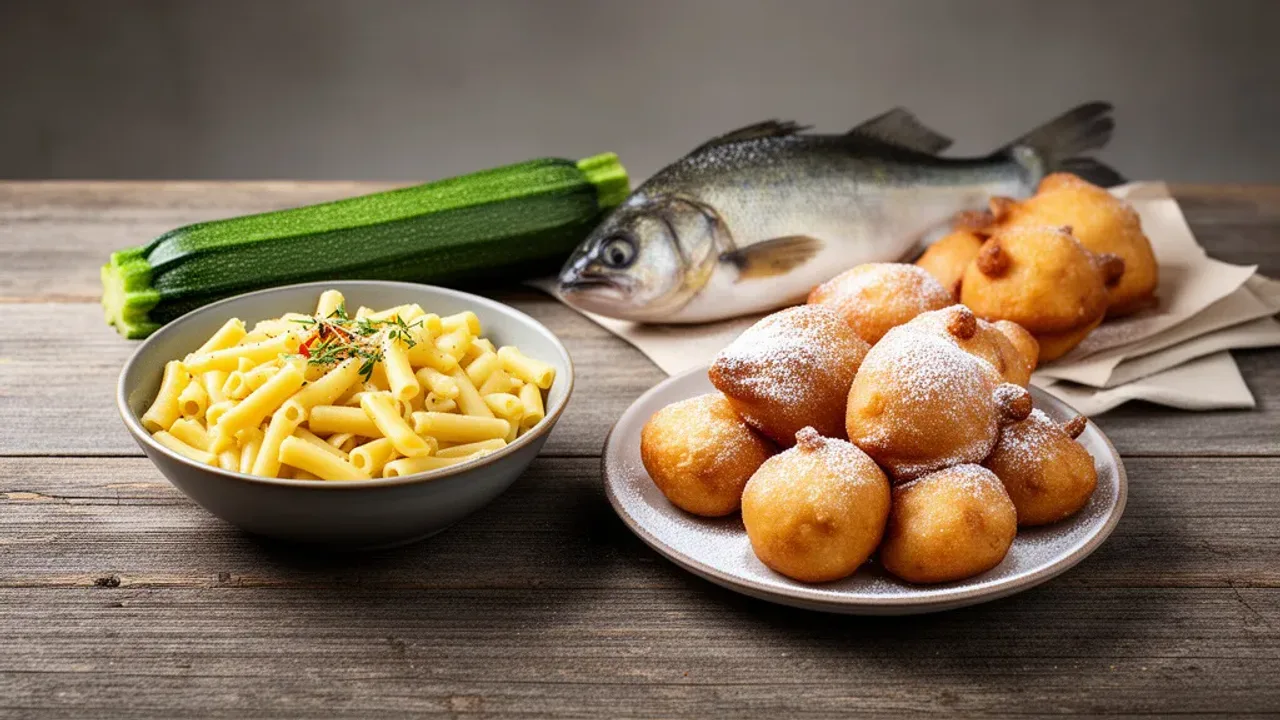 AI-generated image
Key Takeaways:
- The most recognizable foods that start with z include zucchini, zest, ziti, zeppole, and zander.
- These ingredients range from fresh vegetables and pasta to fried pastries and freshwater fish.
- Using citrus zest in a dish is an effective way to enhance the overall taste.
- Proper selection of these ingredients depends on whether you are preparing a savory meal or a sweet treat.
Essential List of Ingredients
When you begin to categorize foods that start with z, you quickly realize that the selection is quite diverse. Each ingredient offers a unique texture and flavor profile that can be manipulated in various ways. Whether you are a professional chef or a home cook, understanding these basics is a great step forward.
- Zucchini: A highly versatile summer squash. It is often used for grilling, roasting, or even spiralizing into noodles.
- Zest: This refers to the fragrant, colorful outer skin of citrus fruits. It contains essential oils that provide a massive boost to any recipe.
- Ziti: A tubular pasta shape. Because of its smooth surface and hollow center, it is an ideal vessel for thick, hearty sauces.
- Zeppole: Traditional Italian fried dough pastries. They are often served during celebrations and are frequently topped with powdered sugar.
- Zander: A freshwater fish found in many parts of the world. It is known for having a firm texture and a very mild, clean taste.
- Zucchini Bread: A popular baked item that utilizes shredded squash to create a moist and dense loaf.
- Zabaglione: A classic Italian dessert. It is created by whipping egg yolks, sugar, and sweet wine until it reaches a light, airy consistency.
- Zest-Crusted Proteins: Many chefs use citrus skin to create a bright, acidic crust on fish or chicken.
- Zatar: A Middle Eastern spice blend that typically includes dried thyme, oregano, marjoram, toasted sesame seeds, and salt.
- Zuccotto: A molded Italian dessert that is typically made with sponge cake and cream.
Preparation and Usage Tips
Working with specific ingredients requires a bit of technique to ensure the best results. Proper preparation of foods that start with z is essential for maintaining quality.
- Always wash your zucchini thoroughly before slicing. This ensures the skin remains clean for any recipe that calls for roasting.
- When preparing zest, use a fine grater or zester. Be careful to avoid the bitter white pith located directly beneath the colored skin.
- Cook your ziti until it reaches the al dente stage. This ensures it holds its structure when it is baked in a casserole dish.
- When frying zeppole, maintain a steady oil temperature. This guarantees a golden, crispy exterior without absorbing too much grease.
- Season zander fillets lightly. Because the fish has a delicate taste, you do not want to overpower it with heavy spices.
- Incorporate Zucchini Bread into your weekly baking routine. It is a fantastic way to use up surplus squash during the harvest season.
- Prepare Zabaglione using a bain-marie. This gentle heat prevents the eggs from scrambling while you whisk them to perfection.
- Store your zatar in an airtight container. This preserves the essential oils in the herbs and keeps the sesame seeds fresh.
- Experiment with ziti in cold pasta salads. The tubular shape holds dressing better than flat noodles.
- Consider zander as a sustainable alternative to more common white fish varieties.
Comparison of Ingredient Characteristics
| Ingredient | Primary Category | Common Usage |
|---|---|---|
| Zucchini | Vegetable | Grilling/Roasting |
| Ziti | Pasta | Baked Dishes |
| Zander | Fish | Pan-searing |
| Zeppole | Pastry | Sweet Treat |
| Zatar | Spice | Seasoning/Dip |
Creative Descriptions for Your Kitchen
Cooking is an art form. Using the right language to describe your dishes can make your dining experience feel more professional and intentional.
- Enhance your signature dish with the vibrant, aromatic zest of freshly grated citrus.
- Layers of al dente ziti create a comforting foundation for savory sauces in any home kitchen.
- Transform your dinner plate with the garden-fresh appeal of sautéed zucchini ribbons.
- The golden, airy texture of a perfectly fried zeppole offers a sweet finish to any meal.
- Elevate your seafood menu by featuring delicate, white-fleshed zander as a centerpiece.
- A warm slice of Zucchini Bread provides a hearty and comforting breakfast option.
- Indulge in a bowl of creamy Zabaglione for a sophisticated end to your evening.
- Sprinkle a generous amount of zatar over hummus for an authentic Middle Eastern flair.
- Create a visual masterpiece by using ziti to build a structured pasta bake.
- The bright, acidic notes of citrus zest can wake up even the simplest of recipes.
Poetic Musings on Z-Letter Ingredients
There is a special beauty in the ingredients we choose. Each one tells a story of the earth, the sea, or the traditions passed down through generations. These foods that start with z are no exception.
- The bright citrus zest dances on the tongue like a spark of summer light.
- Ziti paths wind through a landscape of bubbling cheese and savory herbs.
- Zucchini curls like green ribbons upon the plate, simple and pure in design.
- Zeppole rise in the heat, golden globes of dough filled with sweet potential.
- Beneath the surface of the water, the zander waits, a silver flash of grace.
- The fragrance of zest fills the air, a whisper of orchards and morning sun.
- Soft ziti pillows rest in a sea of sauce, a comfort for the weary soul.
- Fresh from the vine, the zucchini holds the earth’s quiet, green promise.
- A dusting of sugar on a warm zeppole is like snow falling on a golden hill.
- The zander swims through culinary dreams, a quiet king of the freshwater stream.
References and Further Reading
If you want to dive deeper into the science of cooking or the history of these ingredients, consider these reliable resources for your research.
- Learn more about vegetable preparation and nutrition at USDA.gov.
- Explore traditional pasta techniques and global culinary standards at FAO.org.
- Discover sustainable fish varieties and ocean health at NOAA.gov.
When you explore the diversity of foods that start with z, you will find that each ingredient offers a unique contribution to your dining experience. It is simple. Choose fresh ingredients. Cook well. Eat often.
Frequently Asked Questions
What are some common examples of items to cook?
Common examples include zucchini, ziti, zander, and zeppole. Additionally, citrus zest is a frequent component used in many recipes to provide a bright taste.
How can I best utilize citrus zest in a dish?
You can grate the colorful skin of citrus fruits to add a bright, concentrated taste to baked goods or marinades. Ensure you only grate the outer layer to avoid the bitter white pith.
What is the best way to cook zander?
Zander is a freshwater fish that is best prepared by pan-searing. This method highlights its firm texture and mild taste without overpowering the meat.
Are zeppole considered a dessert?
Yes, zeppole are traditional fried dough pastries typically served as a sweet treat. They are often dusted with powdered sugar before being served at a restaurant.
Why is ziti a preferred pasta shape for baked dishes?
Ziti is a tubular pasta that is excellent at holding sauces within its structure. This makes it a sturdy choice for any dish that involves baking with cheese and hearty ingredients.
Incorporating these specific ingredients into your cooking can significantly improve the variety and quality of your meals. Focus on using fresh produce and proper preparation techniques to achieve the best results.
Share: