When searching for fresh ingredients to elevate your home cooking, discovering the diverse range of vegetables that start with m can provide inspiration for your next meal. From earthy fungi to peppery greens and versatile grains, this category offers a wealth of flavors, textures, and nutritional benefits. Whether you are a professional chef or a home cook looking to expand your repertoire, understanding how to select, prepare, and store these specific crops is essential for creating vibrant, healthy, and delicious dining experiences.
Word ListsAugust 23, 2026
Vegetables That Start with M: A Complete Culinary List
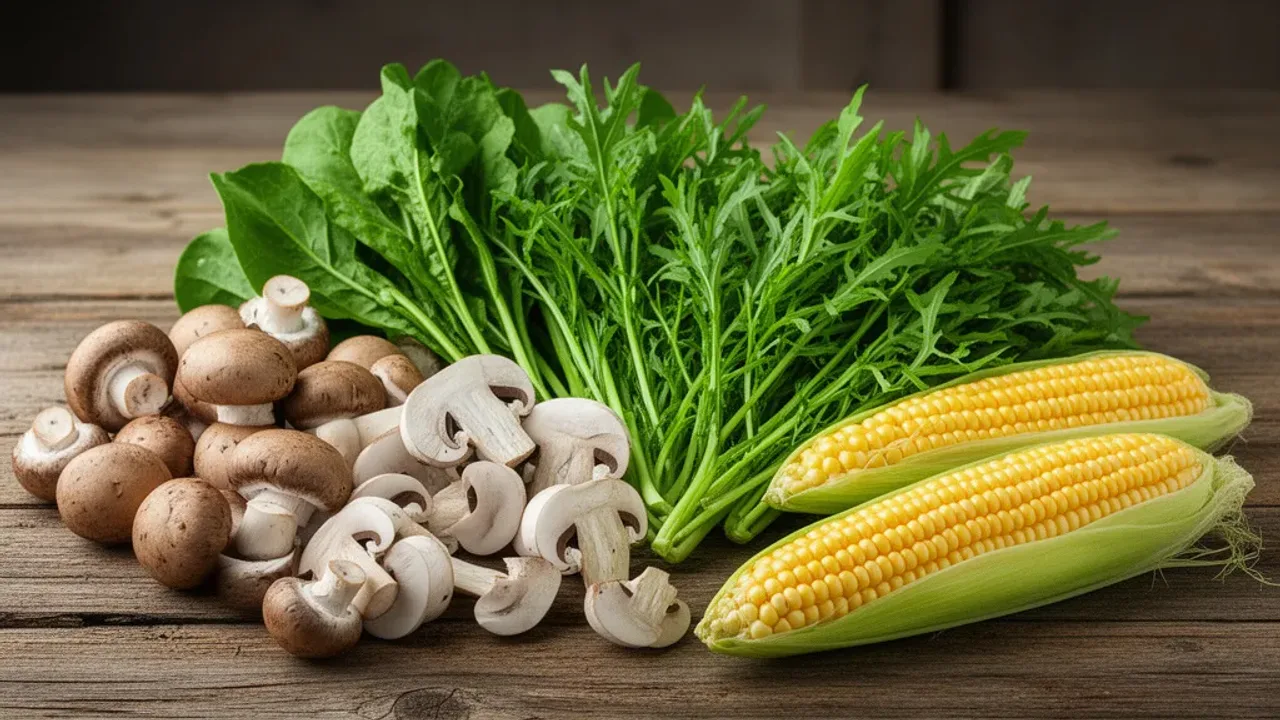 AI-generated image
Key Takeaways:
- Common vegetables that start with m include mushrooms, mustard greens, mizuna, mung beans, Malabar spinach, and maize.
- Selecting high-quality produce with firm textures and vibrant colors ensures the best results in your kitchen.
- Proper storage, such as using a refrigerator crisper drawer or keeping items in a cool, dry place, helps maintain freshness.
- These vegetables are incredibly versatile, suitable for both raw salads and complex cooked dishes.
Short and Descriptive Snippets
The following descriptions highlight the unique characteristics of various produce items you might encounter. Each brings something distinct to the table, helping you craft balanced and flavorful meals.
- Mushrooms offer a rich, earthy flavor profile that works beautifully in any savory dish.
- Mustard greens provide a bold, peppery kick that stands out in stir-fries and braises.
- Mizuna is a delicate, slightly spicy green that elevates any fresh salad mix.
- Mung beans are highly versatile legumes that add a fresh crunch to spring rolls or soups.
- Malabar spinach features thick, succulent leaves that hold up well under high heat.
- Maize is a staple grain served as a vegetable when harvested in its sweet, immature state.
- Mushrooms are incredibly versatile for grilling, roasting, or sautéing as a main component.
- Mustard greens bring a vibrant, deep color and an intense zest to your plate.
- Mizuna leaves look elegant and provide a crisp texture in raw preparations.
- Malabar spinach is a unique, heat-tolerant plant that thrives when other greens might wilt.
Culinary Comparison of Selected Ingredients
Understanding the flavor profiles and ideal preparation methods for these ingredients allows for better meal planning. The table below outlines how to best utilize these items in your daily cooking.
| Ingredient | Primary Flavor | Best Preparation Method |
|---|---|---|
| Mushrooms | Earthy / Umami | Sautéed or Roasted |
| Mizuna | Peppery / Mild | Raw in Salads |
| Malabar Spinach | Mild / Succulent | Stir-fried or Soups |
| Maize | Sweet | Boiled or Grilled |
| Mustard Greens | Spicy / Sharp | Blanched or Sautéed |
| Mung Beans | Fresh / Grassy | Sprouted or Boiled |
Practical Tips for Selection and Preparation
Success in the kitchen begins with selecting the best possible ingredients. Follow these guidelines to ensure that your vegetables that start with m are at their peak quality when you are ready to cook.
- Inspect mushrooms for firmness and ensure they are free of soft spots or excess moisture, which can lead to rapid decay.
- Wash mustard greens and mizuna thoroughly under cold running water to remove any field grit hidden within the leaves.
- Use Malabar spinach quickly after purchase, as its succulent leaves are best when consumed while fresh and crisp.
- Store maize in the refrigerator with husks intact if you plan to use it within 2 days of purchase to preserve the sugars.
- Consider sprouting mung beans at home in a clean glass jar to maximize their crisp texture and nutrient density.
- Trim the woody ends of mustard greens before cooking to ensure a tender and enjoyable texture in your final dish.
- Keep mizuna dry after washing and wrap it in a paper towel to prevent wilting in the refrigerator.
- When roasting mushrooms, avoid crowding the pan, as this allows them to brown beautifully rather than steaming.
Formal and Culinary Definitions
- Mushrooms are edible fungi widely utilized in professional kitchens for their complex umami characteristics and dense texture.
- Mustard greens belong to the Brassica family and are recognized for their high nutritional density and sharp, peppery flavor.
- Mizuna, a Japanese mustard green, is valued in culinary arts for its feather-like leaves and mild piquant finish that complements other greens.
- Mung beans are small, green-skinned legumes that provide a significant source of plant-based protein and are staples in many global cuisines.
- Malabar spinach, or Basella alba, is a perennial vine that serves as a nutritious, mucilaginous substitute for common spinach in warm climates.
- Maize, when harvested as a vegetable, is prized for its high sugar content and tender, juicy kernels that are popular in summer cooking.
- Culinary applications for mushrooms include reduction sauces, complex stocks, and center-of-plate vegetarian entrees that satisfy the palate.
- The preparation of mustard greens often involves blanching or sautéing to balance their naturally robust bitterness with fat or acidity.
- Mizuna is frequently incorporated into mesclun mixes to provide both aesthetic appeal and a subtle, refreshing pepperiness.
- Malabar spinach is distinguished by its unique texture, which acts as a natural thickening agent when incorporated into soups and stews.
Creative and Poetic Interpretations
Cooking is as much an art as it is a science. These descriptions reflect the beauty and sensory experience of working with these fine culinary ingredients.
- Earth-born mushrooms rise from the soil, bringing the deep, grounding mystery of the forest floor to our tables.
- Mustard greens dance in the skillet, a fiery gold of flavor that warms the spirit on a cold evening.
- Like fine lace upon the plate, mizuna leaves whisper of crisp, dew-covered mornings and gentle autumn rains.
- Mung beans are tiny gems of potential, ready to sprout a garden of freshness in a simple kitchen jar.
- Malabar spinach climbs toward the sun, a vine of emerald leaves holding the warmth and resilience of summer.
- Maize stands tall in the field, its golden kernels a testament to the cycles of the harvest season.
- A forest of mushrooms, small and stout, turns a simple meal into a feast of light and earthy delight.
- The peppered breath of mustard greens awakens the palate and stirs the senses to life with every bite.
- Mizuna is a jagged edge of green, providing a sharp, welcome contrast to the softness of the garden.
- Green hearts of Malabar, resilient and bright, singing a song of growth in the intensity of the midday heat.
Personalized and Warm Recommendations
- I highly recommend adding sautéed mushrooms to your favorite pasta for a hearty, comforting meal that feels truly luxurious.
- For a salad that everyone will talk about, try mixing fresh mizuna with a light citrus vinaigrette to highlight its spice.
- If you enjoy a bit of heat, mustard greens are the perfect companion for your next stir-fry with ginger and garlic.
- Try using Malabar spinach in your morning omelet; it is a wonderful way to start your day with something nutritious.
- Mushrooms are the absolute favorite choice when creating a satisfying, meat-free dinner that pleases everyone at the table.
- You will love the way mizuna looks in a serving bowl; it adds such a sophisticated touch to any meal preparation.
- Mustard greens are a must-have if you want to bring a little extra excitement and bold flavor to your kitchen routine.
- I think you would really enjoy the unique texture that Malabar spinach brings to a warm, savory vegetable stew.
- Maize is best enjoyed freshly boiled, served with a touch of butter and sea salt for a simple, classic treat.
- Mung beans offer a clean, light flavor that is perfect for balancing richer, more savory components in a dish.
Frequently Asked Questions
Are mushrooms biologically classified as vegetables?
While mushrooms are biologically classified as fungi, they are culinarily categorized and prepared as vegetables. Many chefs treat them similarly to plant-based produce due to their texture, moisture content, and flavor profiles as noted by the USDA.
How should I store mizuna to keep it fresh?
Store mizuna in a perforated plastic bag in the vegetable crisper drawer of your refrigerator. This helps maintain its crispness and protects the delicate leaves from drying out for several days, according to guidelines from Gardening Know How.
Can Malabar spinach be eaten raw in salads?
Yes, the younger, tender leaves of Malabar spinach are excellent when eaten raw in salads. They offer a mild, refreshing flavor that is significantly less bitter than many other common leafy greens, as confirmed by research found at ScienceDirect.
What is the best way to prepare maize?
Maize is best prepared by boiling, steaming, or grilling the ears until the kernels are tender and sweet. For the most flavorful results, consume the corn as soon as possible after harvest to prevent the sugars from turning into starch.
How do mung beans differ from other common legumes?
Mung beans are unique because they sprout very quickly and can be consumed in their sprouted form. They offer a crisp texture and a fresh, slightly grassy taste that differentiates them from dried, cooked beans, making them ideal for quick meals.
Is maize a vegetable or a grain?
It is classified as both depending on harvest timing and usage. When harvested in its immature, sweet state, it is culinarily treated as a vegetable, whereas mature maize is processed as a grain.
Which greens offer the most peppery flavor?
Mizuna and mustard greens offer the most significant peppery notes among the common leafy greens found in this category. They are excellent for adding depth to otherwise mild salad bases.
When selecting vegetables that start with m, always prioritize visual freshness, firmness, and color. By incorporating these ingredients into your diet, you gain access to a versatile and nutrient-rich range of options that can transform your cooking. In summary, these ingredients add value to your diet through their unique flavors and adaptability. Always choose fresh, firm produce for the best results in your kitchen.
Share: